
Ear Surgery
Medically reviewed by Dr. T. Y. Steven Ip, MD, FACS, board certified plastic surgeon Updated
Or call (855) 742-8800
Ear surgery, also called otoplasty, improves the size, shape and position of the ears. It corrects misshapen ear structures so the ears look more natural and better balanced with the head and face. Results from ear reshaping generally last a lifetime, and the change boosts many patients' self-confidence. Dr. Ip performs otoplasty for children and adults from Beverly Hills, Los Angeles and beyond.
Concerns ear surgery corrects
Ear surgery repairs a wide range of flaws and deformities caused by genetics, birth defects or injury, including:
- Ears that stick out from the head
- Cauliflower ear and other disfigurements
- Split or torn earlobes
- Stretched piercing holes
- Macrotia, or ears that are larger than usual
Otoplasty works on the cartilage and skin of the outer ear only. It does not affect hearing.
Some of these concerns are present from birth, while others follow an injury. A torn lobe or a stretched piercing is a different problem from an ear that sits too far from the head, so each is treated on its own terms. Many Beverly Hills and Los Angeles patients come in with more than one of these concerns, and Dr. Ip addresses them together when that makes sense for the ear.
Reducing prominence
When the ears project too far, selected structures are set closer to the head.
Creating or refining folds
Some ears lack a natural fold, or the fold is underdeveloped. Shaping the cartilage improves these contours. The aim is ears that suit each other and the face, not two identical copies.
Correcting asymmetry or injury
Differences between the ears, and changes after trauma, are repaired while keeping a natural relationship with the face.
Planning your otoplasty
Small changes in cartilage alter the contour of the whole ear, so planning starts with a careful exam. Dr. Ip, a board certified plastic surgeon, evaluates ear size, projection, folds, the depth of the bowl of the ear (the concha), the earlobes, asymmetry, existing scars, skin quality and age. He also asks what bothers you most about your ears. The technique follows from that exam rather than from a single standard method. Because the cartilage pattern differs from person to person, two patients who both have ears that stick out may need quite different operations.
Techniques Dr. Ip may use
- Suture techniques: internal stitches create or support a fold and hold the cartilage in its planned position.
- Cartilage scoring or shaping: stiff cartilage is scored or carefully weakened so it bends into a more natural fold.
- Cartilage or skin removal: a limited amount of tissue is removed when extra conchal cartilage or skin pushes the ear outward.
Anesthesia is either local anesthesia with sedation or general anesthesia. The choice depends on the patient's age, the procedure planned and other patient factors.
Children and adults
A child may be considered once the ears are close to their adult size and the child is old enough to share in the decision and follow aftercare instructions. Otoplasty is also performed on adults. For every patient, Dr. Ip reviews general health, any active ear infection, cartilage quality, past scars and expectations before recommending surgery.
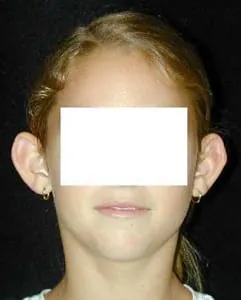
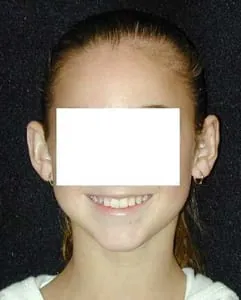
Before After
Recovery and aftercare
Bandages protect the ears in the first stage of healing. When Dr. Ip directs, a protective headband follows. Until you are cleared, avoid:
- Pressure on the ears
- Sleeping on your side
- Contact sports
- Clothing that catches on the ears as you put it on or take it off
Swelling and small differences between the two sides take time to settle.
Your consultation
The first visit is for information, with no pressure to book surgery. Dr. Ip reviews your goals, health history and ear anatomy, explains the alternatives, and describes what recovery involves and which risks apply to you. When the patient is a child, the child's own wishes are part of the decision. You leave with a personal recommendation and the details you need to decide on your next step.
Results and risks
The new ear position is visible once the dressings come off. Swelling and minor asymmetry continue to improve after that, and the results are intended to be long lasting.
Like any surgery, otoplasty has risks. They include bleeding, infection, injury to the cartilage, asymmetry, overcorrection or undercorrection, problems with sutures, changes in sensation, scarring, pain and the need for revision. Dr. Ip reviews these with you during your consultation so you can weigh them against your goals.
Considering Ear Surgery?
Call today
(855) 742-8800
Ear surgery FAQ
View the ear surgery galleryWhat is ear surgery?
Ear surgery, also called otoplasty, improves the size, shape and position of your ears. It corrects misshapen ears so they look natural and balanced with the rest of your head and face.
Which ear concerns can ear surgery correct?
Ear surgery repairs flaws caused by genetics, birth defects or injury. These include ears that stick out from the head, cauliflower ear, overly large ears, split or torn earlobes and widened piercing holes.
Can ear surgery repair a torn earlobe?
Yes. Split or torn earlobes and stretched piercing holes are among the concerns ear surgery repairs.
How long do ear surgery results last?
Results from ear reshaping generally last a lifetime, and patients report a boost in self-confidence.
How much does ear surgery cost?
Your ear surgery price is set at your consultation with Dr. Ip.
Discuss your goals with Dr. Ip
Request a private consultation at the Beverly Hills office to review your options and receive an individualized recommendation.